December 30, 2025
Dealing with a pest problem can be stressful, especially when insects or rodents begin to disrupt daily life. Many homeowners want fast relief but are unsure what timeline to expect when professional treatment begins. The duration of treatment can vary depending on the type of pest, the severity of the infestation, and the methods used. Understanding how long management takes helps set realistic expectations and reduces frustration. Professional services focus not only on eliminating pests but also on preventing their return. Knowing what influences the process can make the experience smoother and more effective.
Understanding Initial Inspection and Assessment
The first step a pest control company takes is a thorough inspection of the property. This process helps identify the type of pest, the extent of the infestation, and the areas most affected. During this stage, technicians may examine interior spaces, exterior entry points, and surrounding landscape features. A detailed assessment allows for a customized treatment plan rather than a one-size-fits-all approach. This step is essential for accurate timing estimates and long-term results. Proper inspection sets the foundation for effective pest management.
Different pests require different treatment timelines, which is why identification is critical for pest control. Ant control and cockroach control often require multiple visits due to nesting habits. Flea control and tick control may involve treating both indoor spaces and outdoor areas. Termite control typically takes longer because colonies can be hidden deep within structures. Understanding the pest species helps determine how aggressive the treatment must be. Accurate identification directly impacts how long the infestation will take to manage.
Evaluating the Severity of the Infestation
The severity of an infestation plays a major role in how long treatment takes. A minor issue may be addressed in one or two visits, while widespread infestations can take weeks or months. A pest control company evaluates population size, breeding activity, and infestation age. Older infestations often require more extensive treatment plans. Severe cases may also require follow-up visits to ensure pests are fully eliminated. The more advanced the problem, the longer the management process.
Once inspection and evaluation are complete, the company explains the treatment plan. This includes the expected timeline, methods used, and any preparation required by the homeowner. Some treatments provide immediate relief, while others focus on gradual population reduction. Warranties available with many services offer reassurance if pests return. Clear communication helps homeowners understand what to expect throughout the process. A well-defined plan reduces uncertainty and builds trust.
Performing Initial Treatment Services
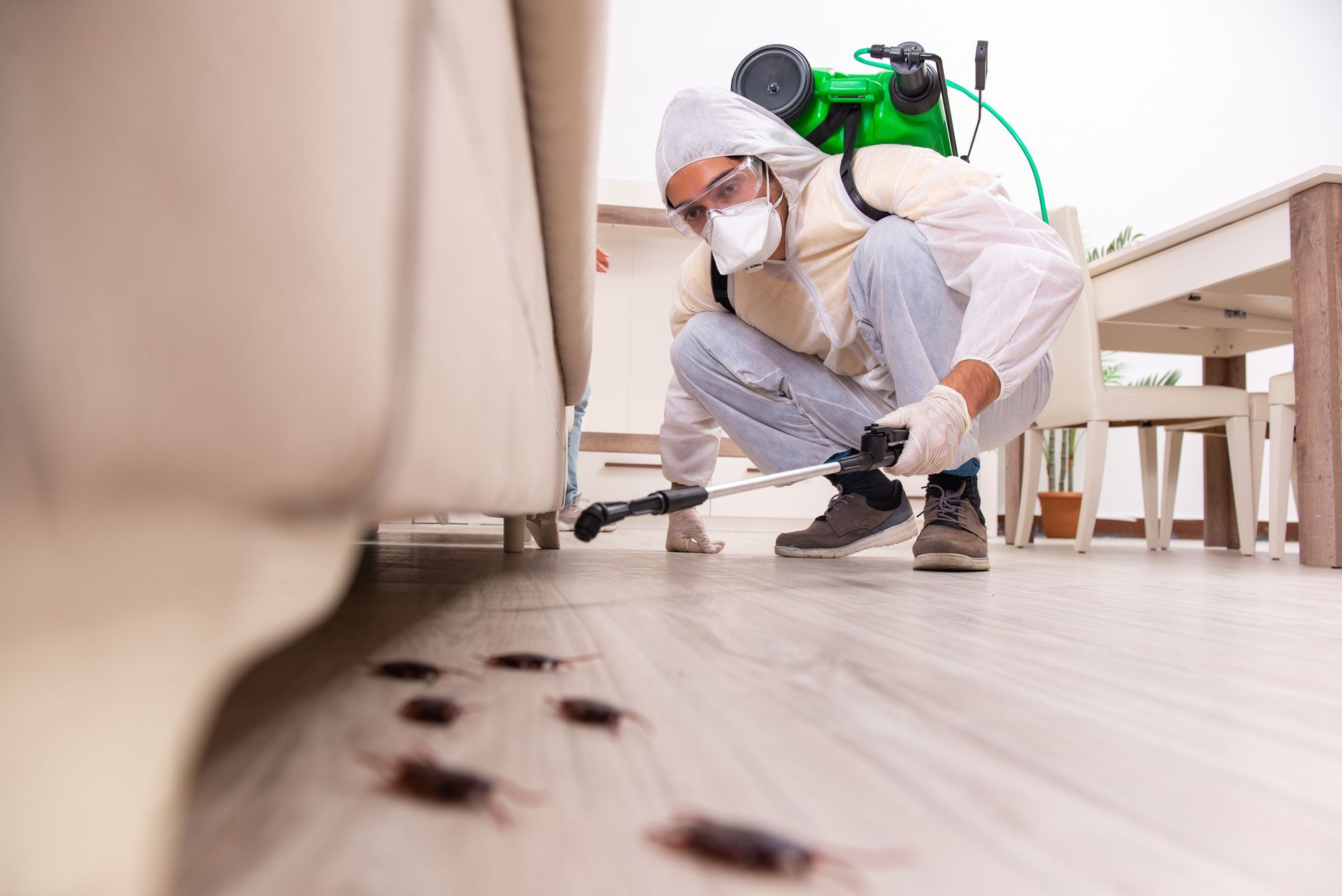
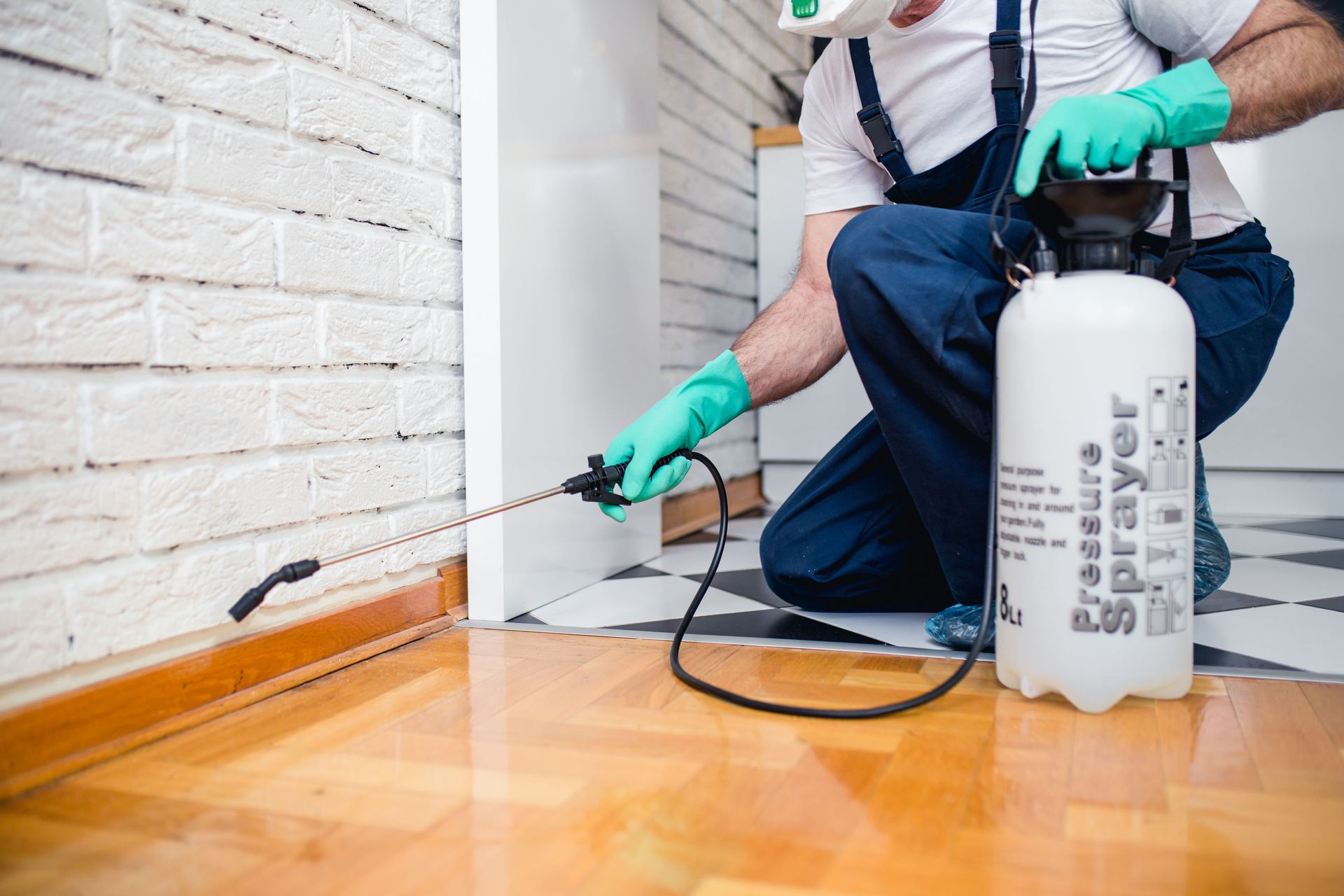
The first treatment visit is often the most intensive part of pest management. A pest control service may apply targeted treatments to affected areas and entry points. Services like spider control, cricket control, and scorpion control may involve both chemical and physical methods. Emergency services available can address urgent situations quickly. Initial treatment often reduces visible pest activity within days. However, elimination is rarely immediate for larger infestations.
After initial treatment, time is needed for products to work effectively. Many pest control methods target pests over their life cycles rather than killing all insects instantly. A pest control service may explain that reduced activity is a positive sign of progress. This phase can last from a few days to several weeks, depending on the pest. Patience is important to allow treatments to disrupt breeding cycles. Rushing the process can compromise long-term results.
Scheduling Follow-Up Visits and Monitoring
Follow-up visits are often necessary to fully manage an infestation. A pest control company schedules these appointments to reassess activity and apply additional treatments if needed. Cockroach control and flea control frequently require multiple visits. Monitoring ensures that pests do not rebound after initial suppression. Follow-ups also allow adjustments to the treatment plan if conditions change. Ongoing monitoring improves overall effectiveness.
Outdoor conditions can significantly affect how long pest control takes. A company may recommend lawn care services, sprinkler system adjustments, or tree care to reduce pest habitats. Moisture, overgrown vegetation, and standing water can attract insects. Addressing these factors helps prevent reinfestation. Environmental management is a critical part of long-term pest control. Ignoring exterior conditions can prolong the infestation.
Managing Structural and Entry Point Issues
Pests often enter homes through small gaps and structural vulnerabilities. A pest control company may identify cracks, vents, or foundation issues during inspections. Sealing entry points helps reduce future infestations. This step may not eliminate pests immediately, but it supports long-term success. Structural improvements complement chemical treatments. Preventive measures shorten the overall management timeline.
Different pests have different treatment durations that a pest control service considers. Ant control may take several weeks due to colony behavior. Termite control can take months to fully manage and monitor. Spider control and scorpion control often show results within weeks. According to Global Growth Insights, over 60% of urban households use professional insect pest control services to manage insects. These timelines help homeowners understand why patience is necessary.
Considering Emergency and Rapid Response Situations
Some infestations require immediate attention due to health or safety risks. A pest control company offering emergency services can respond quickly to urgent situations. Rapid response helps limit damage and discomfort. While emergency treatment can provide fast relief, follow-up visits are often still required. Emergency services address immediate concerns but do not replace long-term management. Quick action can prevent infestations from worsening.
Experience greatly influences how efficiently pests are managed. A company with over 30 years of experience understands effective techniques and common challenges. Skilled technicians can identify issues quickly and apply treatments accurately. Licensed and insured professionals follow industry standards and safety protocols. Experience reduces trial and error, saving time overall. Professional expertise often leads to faster and more reliable results.
Explaining Preventive Maintenance Programs
Prevention plays a key role in keeping pests away after treatment. A pest control company may recommend routine maintenance plans. These programs help catch early signs of infestation before they spread. Regular service visits can reduce the need for extensive future treatments. Preventive care extends the benefits of initial treatment. Maintenance programs help maintain a pest-free environment.
Managing expectations is an important part of pest control. A pest control service educates homeowners on what is normal during the treatment process. Temporary increases in pest activity can occur as insects are flushed from hiding. This does not mean treatment is failing. Clear communication prevents unnecessary concern. Understanding the process helps homeowners remain patient and cooperative.
Knowing When the Infestation Is Fully Managed
An infestation is considered managed when pest activity is no longer detected. A pest control company confirms success through inspections and monitoring. Absence of new signs over time indicates effective control. Continued preventive measures help maintain results. Warranties available provide added confidence if pests reappear. Confirmation of success marks the end of the treatment timeline.
The time it takes to manage a pest infestation depends on many factors, including pest type, severity, and environmental conditions. Professional treatment focuses on long-term control rather than quick fixes. Homeowners benefit from understanding each stage of the process and following professional guidance to ensure a smooth and successful outcome. Austin Excel Pest & Lawn Control provides comprehensive services backed by experience, offering solutions for insect control, lawn care services, sprinkler systems, and tree care with emergency services available, free estimates, warranties, licensed and insured technicians, family and locally owned values, veteran and military discounts, and a history of service since 1998. For more information, contact us today!